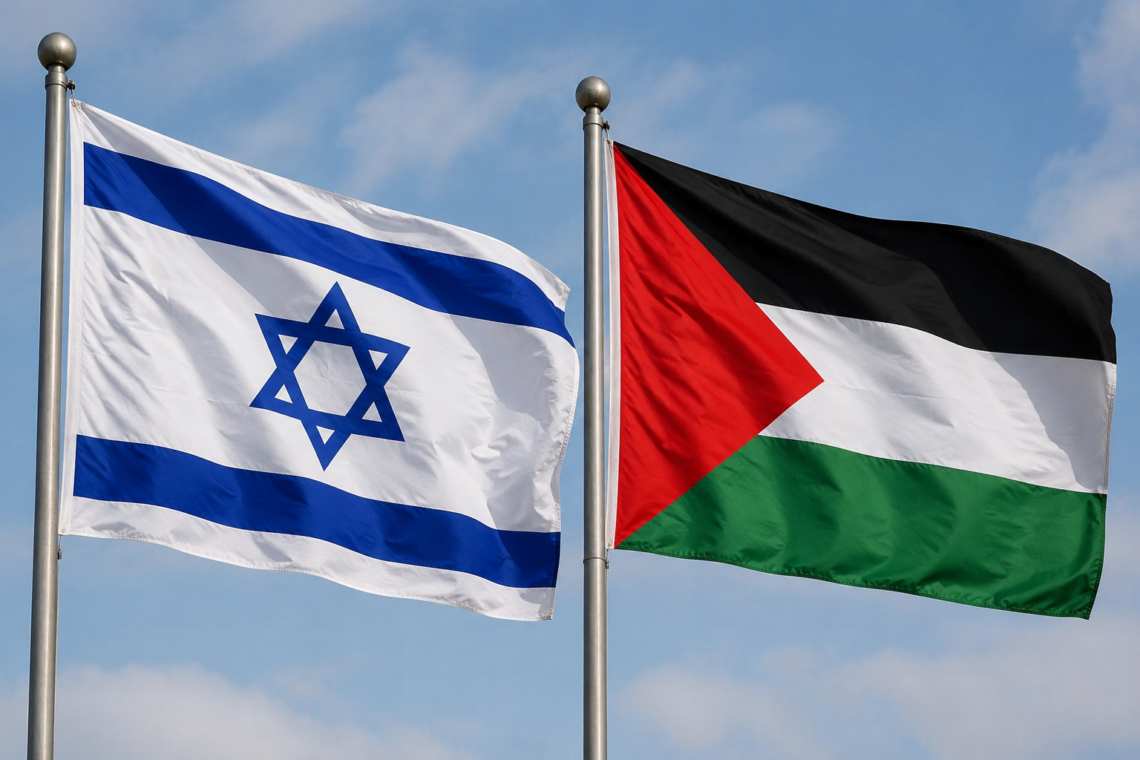
The term terrorist has become one of the most powerful labels in modern language — often used to describe those who resort to violence in response to oppression, occupation, or perceived injustice. Yet the word itself is deeply shaped by perspective, politics, and power.
I admit that, in my younger years, I largely accepted what I was told by news outlets and political leaders — that acts labeled as terrorism existed in a vacuum, detached from any meaningful context or underlying reality. Over time, however, age, observation, and experience led me to question the simplicity of those narratives and to examine the deeper causes behind such conflicts.
History repeatedly demonstrates that occupation, inequality, and domination often give rise to resistance. If, for example, foreign forces occupied portions of the United States and imposed control over its people, would resistance not emerge? Would Americans simply accept the loss of sovereignty, or would many feel compelled to fight back by whatever means remained available to them?
This question is not theoretical for many people around the world. Whether one looks at the experiences of Palestinians, Ukrainians, or countless populations throughout history who have faced invasion, displacement, or military occupation, the impulse to resist is deeply human. Resistance can take many forms — political, civil, cultural, and at times violent. One need not agree with every tactic employed to understand the conditions that gave rise to it.
My hope is not to tell others what to think, but to encourage people to think more critically about the narratives they are given. News, governments, and institutions all frame events through particular lenses, and it is worth asking difficult questions about whose perspective is being emphasized, whose suffering is highlighted, and whose is ignored.
We are all shaped by the information we consume. That reality makes it even more important to seek multiple viewpoints, question assumptions, and resist the temptation to accept simplified explanations for deeply complex human conflicts.
Understanding does not require agreement. But understanding is often the first step toward wisdom.
Citizen Vatch – Honor Above All

